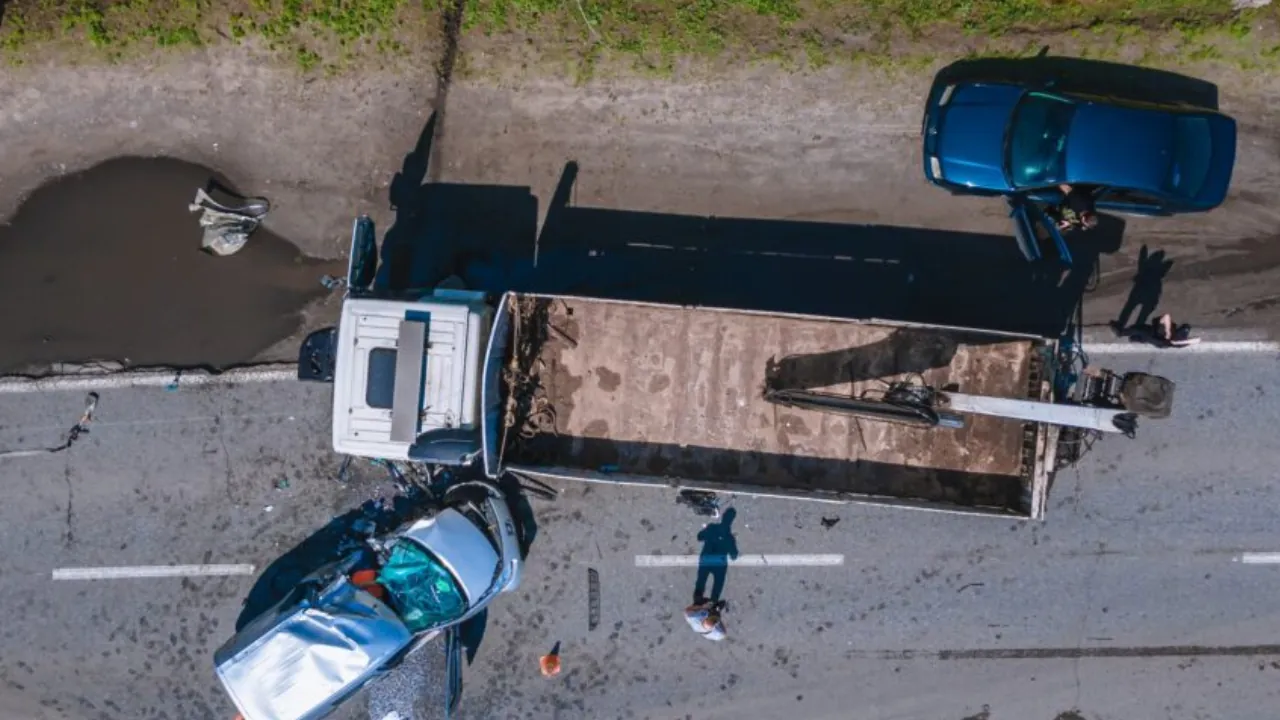
After a serious truck accident, many people assume the claims process will resemble that of a typical car accident. In reality, commercial trucking cases involve far more complex insurance structures, contractual relationships, and financial stakes. Understanding these differences helps clarify why truck accident cases require deeper analysis—often handled by an East Texas Truck Accident Attorney.
Commercial Trucks Carry Multiple Insurance Policies
Unlike passenger vehicles, commercial trucks are usually covered by several layers of insurance. These may include primary liability coverage, excess policies, umbrella coverage, and cargo insurance. Each policy may apply differently depending on how the accident occurred.

Determining which policy applies—and in what order—requires reviewing contracts, leasing agreements, and regulatory filings. Coverage disputes are common, especially when damages are severe.
Ownership and Leasing Complicate Liability
Many trucks on East Texas roads are not owned outright by the driver operating them. Trucks may be leased, operated by independent contractors, or managed by third-party logistics companies.
Each of these relationships can affect insurance responsibility. A driver’s personal policy may not apply, while a carrier’s policy may depend on whether the driver was operating within the scope of their duties at the time of the crash.
Insurance Companies Investigate Aggressively
Truck accidents often involve high financial exposure due to the severity of injuries and property damage. As a result, insurance companies typically begin investigating immediately.
These investigations may include reviewing driver records, maintenance logs, onboard data, and company safety histories. Adjusters and investigators are trained to limit liability exposure, not simply determine fault.
Policy Limits and Federal Requirements
Federal law requires commercial carriers to maintain minimum levels of liability coverage, but those minimums may not fully cover catastrophic injuries. In serious accidents, policy limits can become a central issue—especially when multiple victims are involved.
Understanding how coverage limits interact across policies is essential to evaluating potential recovery and responsibility.
Why Timing Matters in Insurance Disputes
Insurance decisions are often influenced by early statements, documentation, and accident reports. Once insurers adopt a position, it can be difficult to reverse.
Delays in evidence collection or incomplete reporting can weaken a claim before it fully develops. This is particularly relevant in East Texas, where accidents may occur on remote roads with limited immediate documentation.
Looking Beyond a Single Policy
Truck accident insurance cases are not just about one claim or one insurer. They involve layered coverage, contractual obligations, and regulatory frameworks that extend far beyond standard auto accidents.
Understanding this complexity helps explain why truck accident cases require careful review of both legal and insurance systems working simultaneously.
crifosports/7January26/NZ






Guest Post
A Practical Approach for Modern Traders









More in Guest Post
-


How Internet Access Has Changed for Remote Workers and Digital Nomads
The modern workforce is no longer tied to a single location. Over the past...
-
A Practical Approach for Modern Traders
Financial markets often appear chaotic at first glance—prices move rapidly, trends shift unexpectedly, and...
-
Why Hiring a Professional Matters for Pool Renovation Projects
Backyard pools are designed to bring years of enjoyment, relaxation, and entertainment to a...
-
Hidden Design Features That Improve Daily Living
When people think about home design, they often focus on visible elements like countertops,...
-
How Car Wreckers Perth Help You Turn Scrap Cars into Quick Money
Old or damaged vehicles often become a burden for car owners. Whether the car...
-
Alien Road : Engineering Trust in the Age of Algorithmic Absolutism
Alien Road: Governing the AI Search Ad EraThe Era of Algorithmic Absolutism: The Strategic...
-
Bringing Digital Assets Into Everyday Spending
Cryptocurrency has evolved far beyond its early reputation as a niche investment vehicle. Today,...
-
How Different Industries Approach Fleet Washing
Commercial vehicles operate in vastly different environments. A long-haul tractor traveling across multiple states...